What Homeowners Should Expect on the Day of Solar Installation
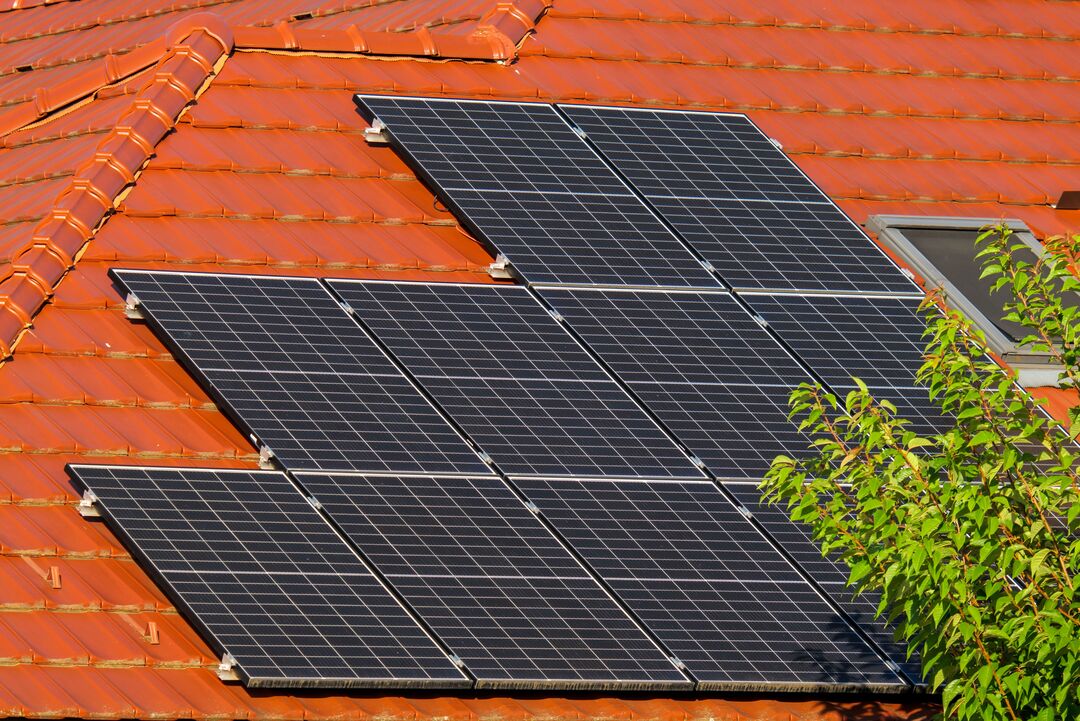
When your solar installation day arrives, you'll notice a blend of careful planning and efficient teamwork as your property transforms. From verifying site access to the detailed setup of equipment, every step is designed to ensure your system's performance and safety. It's not just about lifting panels onto your roof; you'll find there's a lot more to this process. Wondering what happens next and how you'll be involved throughout?
Pre-Installation Home Preparation
Prior to the arrival of the installation team, it is important to prepare your property to facilitate an efficient installation process.
Ensure that all access points are clear for the crew, and remove any obstacles near the electrical panel. It is advisable to keep pets secured indoors during the installation to minimize disruptions.
These preparatory steps contribute to a more streamlined panel installation and can help the team adhere to the established installation timeline.
Additionally, reviewing all relevant paperwork—including permits and HOA approvals—before the installation day is essential. Confirming that your design complies with local code requirements will prevent potential complications.
While your presence is not mandatory for the entire duration of the project, providing easy access to the installation area may benefit the overall timeline.
Taking these measures not only promotes a smoother installation process but also supports the overall goal of achieving energy independence and enhancing renewable energy production, especially when considering the benefits of Solar Panels in PA.
Arrival and Initial Site Assessment
On the day of your solar installation, the crew will arrive and initiate safety protocols around your property. Their equipment, including safety gear, ladders, and mounting hardware, will be systematically organized for efficient access.
The team will conduct an initial site assessment that involves reviewing project design details, confirming compliance with local code requirements, and ensuring clear access to relevant areas such as walls, the electrical panel, and storage locations.
It is advisable to engage with the crew during this phase, as your responses to their questions can facilitate a smoother installation and enhance the protection of your property.
Furthermore, reviewing the project documentation with the crew leader is an important step to ensure mutual understanding of project expectations and deliverables.
This initial stage is critical in setting a positive foundation for the subsequent installation of solar panels, the implementation of energy solutions, and ultimately, your journey towards energy independence.
Attention to detail during this process will contribute significantly to the overall quality and effectiveness of the project.
Safety Protocols and Jobsite Setup
Upon the arrival of the installation crew, the initial phase involves the establishment of safety protocols designed to secure both the property and the work area. The crew will be equipped with appropriate safety gear and will proceed to set up ladders, ensuring that there are clear access points for the installation of panels and battery storage systems.
To facilitate a seamless installation process, it is advisable for homeowners to keep the driveway and surrounding wall areas free of obstructions.
The crew lead will conduct a final review of the necessary paperwork, which includes verifying compliance with local code requirements and confirming the design specifications for the renewable energy system being installed.
Monitoring the project’s progress throughout the day can provide reassurance regarding the efficiency and adherence to timelines. It is important for homeowners to remain reachable during this time, as immediate decisions may be required to ensure the project advances toward achieving energy independence and obtaining utility approval.
Roof Preparation and Panel Mounting
In the initial phase of roof preparation for solar panel installation, the crew will identify and mark the precise attachment points necessary for securely anchoring the solar system. This step involves a thorough assessment of the roof's pitch, material composition, and any potential obstacles, ensuring that the design adheres to applicable code requirements.
Additionally, the evaluation takes into account the installation timeline, which may vary based on the complexity of the roof structure.
The installation process commences with the setup of mounting hardware and racking systems, which are essential for optimizing the efficiency of the solar panel arrays. This configuration is critical in facilitating high energy production, as the positioning and stability of the panels greatly influence their performance.
Throughout the installation, the crew is expected to adhere to safety standards by wearing appropriate safety gear and maintaining clear access pathways. They will also review all relevant documentation to ensure that the installation process runs smoothly, promoting both operational efficiency and peace of mind for property owners.
The duration of the installation may extend depending on the intricacies of the roof design. Once the panels are securely mounted, additional considerations such as monitoring systems, net metering options, and battery storage solutions may be evaluated to enhance energy independence.
Finally, obtaining utility approval and the permission to operate (PTO) are critical steps that precede the system becoming fully operational.
Electrical Work and System Integration
As the installation of solar panel mounting approaches completion, electricians will begin the process of installing the inverter and associated electrical components next to the main electrical panel. This integration allows the solar array to harness and supply power directly to the home.
It is important to anticipate a brief power interruption during this phase, typically lasting between 15 to 30 minutes, as the system is integrated into the electrical grid.
The installation team adheres to established code requirements, ensuring that wiring is protected and properly configured. Should battery storage be deemed necessary, this additional component may extend the installation timeline.
The use of appropriate safety gear by the crew contributes to a secure working environment and facilitates a smooth installation process.
Homeowners are advised to review relevant paperwork and be present during this installation phase, as these preparations are crucial for the subsequent steps that lead to utility approval and permission to operate (PTO).
Proper documentation and adherence to protocols are essential to ensure a compliant and efficient integration of solar energy systems.
Monitoring Installation Progress
For those considering solar energy installations, effective communication with the project manager is essential throughout the installation process. Monitoring the installation entails tracking various components, such as the placement of solar panels, battery storage systems, and the mounting hardware utilized by the installation crew.
The project team is responsible for providing regular updates on the progress of the installation, which includes information on system design, access points, and the integration of electrical panels. Homeowners are encouraged to engage with the project team through available communication channels, such as an app or telephone, to clarify any technical requirements or code regulations that may apply.
At the conclusion of the installation day, it is advisable to review relevant documentation and a checklist to ensure that all aspects of the installation have been properly addressed.
This review can contribute to a clearer understanding of the solar energy project, as well as aspects like net metering, utility approvals, and subsequent steps necessary for transitioning to energy production. Such an approach can help facilitate a smoothly implemented solar energy system, laying a solid foundation for efficient energy use.
Homeowner Responsibilities During Installation
To ensure a successful installation process, homeowners should take specific steps in advance. Clearing the driveway and surrounding areas is essential for maintaining a safe and efficient work environment for the installation crew.
On the day of installation, it is advisable to keep pets away from the work area to prevent distractions or safety issues. Homeowners should also provide the installation team with easy access to the electrical panel, which is critical for the installation process.
Prior to the commencement of work, reviewing necessary paperwork with the team can help clarify any concerns and confirm that all requirements are understood.
Homeowners should prepare for the installation by securing all access points to the property and monitoring the project's progress throughout the day. While it is not mandatory for homeowners to be present at all times, maintaining clear communication with the installation team can help prevent delays and ensure smooth progress.
If there are any questions regarding code requirements or the installation process, being readily available to provide answers is beneficial. This proactive approach contributes to a more efficient installation experience and aligns with the goal of transitioning to renewable energy sources.
Ultimately, this transition can enhance energy independence and optimize energy production capabilities for the homeowner.
Final Walkthrough and Quality Checks
Upon completion of the installation, the project manager will conduct a final walkthrough to examine the newly installed system and address any immediate inquiries. During this process, the crew will inspect various components, including the panel arrays, mounting hardware, and electrical panel, ensuring that all elements comply with relevant code requirements and maintain system integrity.
The team will verify the functionality of monitoring systems via the associated application and assess the initial setup of the battery and storage solutions.
You will also receive documentation that outlines energy production metrics, the status of utility approval processes, and contact information for future inquiries.
This final review is designed to facilitate a seamless transition to operational power generation. It aims to reinforce the project's adherence to quality standards, ensuring that your renewable energy system is equipped to support energy independence effectively.
Next Steps After Installation
Following the completion of your solar system installation, a waiting period will commence during which your utility company will evaluate and approve the system for operation. This approval process typically takes between one to three weeks.
During this time, the system's components—including the solar panels, battery, wall-mounted equipment, and electrical panel—will be inspected to ensure compliance with relevant code requirements and to facilitate connection to the electrical grid.
You can monitor the status of your installation through the associated app, which provides updates on the progression toward receiving Permission to Operate (PTO). Once PTO is granted, you will be able to begin generating power and participate in net metering, allowing for the offset of your energy costs.
It is advisable to maintain communication with your Solar Team for any updates, review of documentation, and to confirm that all items on the installation checklist are addressed.
Should you require further assistance or have any inquiries, you can reach out to the support team for clarification and guidance.
Conclusion
When your solar installation day wraps up, you’ll have a ready-to-go energy system and clear instructions for maintenance and monitoring. By staying engaged, asking questions, and following up on documentation and warranty agreements, you’re setting yourself up for long-term solar success. With the final walkthrough and support contacts in place, you can confidently move forward, knowing exactly what to expect from your new system and how to maximize its benefits for your home.